

Extras - Worth Your Time
Here, we gather material that doesn’t fit into the other categories. Extra insights and unique content that give you a broader understanding.
Frequently Asked Questions:
Why Network? Jussi's Choice - Corsair Connect
Why Jussi Chose Networking in Corsair
When Corsair was new, many people shook their heads. Even people with extensive education and titles said outright that it was impossible to make oil from plastic waste. The idea was simply considered too far from reality.
Yet, something already stood out. Those who looked closely saw that Corsair was growing faster than almost anyone else in the industry. A couple of years ago, the same people started saying something completely different: that Corsair was one of the largest and fastest-growing companies in its field.
But that journey would never have been possible in the traditional way. In the beginning, it was impossible to get bank loans. There were no ready-made structures, no established investors, and no shortcuts. What existed was an idea, a working solution – and people. That’s where the network came in.
Through the Corsair Connect network, Corsair not only received early financial support but, above all, something much more important: reach, contacts, and trust. People around the world started telling the same story, every day. Not as advertising, but as ambassadors.
It was through the network that contacts were made.
It was through the network that the opportunity for the factory in Finland arose.
It was through the network that expansion to the USA, Canada, and other countries became possible.
Instead of traveling around to trade shows, handing out brochures, and trying to be heard in the noise, Corsair had something that most companies lack: a global community that carried the story forward.
Over time, everything changed.
Government grants were awarded. Banks started getting in touch. What was once considered impossible suddenly became obvious.
But the network remained the core.
Not just as a business model, but as the company’s greatest asset. A network of like-minded, environmentally conscious people all working towards the same goal: to reduce plastic waste in the world while creating better living conditions for people.
And as a result, something new also opened up.
An industry worth trillions of dollars – linked to plastic credits and plastic recycling – was no longer reserved for banks and large investors.
It became accessible to everyone.
That’s why Jussi chose networking.
Not for marketing purposes – but because it was the most logical, human, and powerful way to build something that actually makes a difference.
Corsair and Patents
Patents
It’s easy to think that a serious company should automatically apply for patents on its technology. On paper, it sounds safe. In reality, it often works the other way around.
When a patent is sought, the entire solution becomes public. The process, details, and principles are published so that anyone can read them. This means that competitors don’t have to guess how something works; they can study it in detail and then try to copy, circumvent, or improve the solution.
What many don’t know is that patent infringement rarely involves harsh penalties. It is primarily a civil matter. When large companies infringe on patents, it often ends in a settlement. The patent holder gets paid, but the technical advantage is gone.
In an industry where that advantage is crucial, it’s a bad trade.
When it comes to pyrolysis oil, the method itself is not secret. Pyrolysis has been around for a long time and is well-known technology. So that’s not where the value lies.
What sets actors apart is how the process is run in practice. Exact settings, how flows are controlled, how purification takes place, and how to produce a stable and consistent quality of the finished oil. This is where Corsair has its advantage.
Today, there is no other player who, on a commercial scale, manages to convert plastic into pyrolysis oil with the same quality and usability in the continued industry. This is not marketing rhetoric, but a fact in the industry. And that is precisely why it would be directly illogical to put that knowledge into a patent system that requires everything to be disclosed openly.
When a company is actually at the forefront technically, trade secrecy is often the strongest protection. As long as competitors do not know exactly how the process is structured, which parameters are crucial, and how the quality is achieved and kept stable, they cannot copy the result. Even if they know the basic principle.
This is the same logic used in other advanced process industries, chemistry, and materials technology. It’s nothing unusual and nothing strange.
The fact that Corsair does not seek patents is therefore not a sign of weakness. It is a sign that they have something real to protect. A working industrial solution, a clear quality advantage, and a rational reason not to reveal how it is achieved.
When you understand how patents work in practice, the decision is not strange at all. On the contrary. It is exactly what one would have expected from a company that actually leads the development.
🎥 Turning Trash Into Treasure with Jussi Veikko Saloranta hosted by Alex Wolfe. The one we call “Bruna Podden” (1:08:17 minutes)
In this powerful episode, Alex Wolfe meets Jussi Veikko Saloranta – serial entrepreneur, investor, and philanthropist – in a conversation about how conscious capitalism can help solve some of the planet’s biggest challenges. As chairman of the board for Corsair Group International, Jussi leads global initiatives to address plastic waste, climate change, and poverty – not just as problems, but as major business opportunities.
The conversation covers everything from green energy and sustainable innovation to cleaning our oceans and creating economic incentives for real change. The episode was published on April 11, 2025 and provides new perspectives on entrepreneurship, leadership, and the future of business.
🎥 The Man & The Mission behind Corsair – Full Interview with Jussi Veikko Saloranta by Sal Kahn. The one we call “Blåa Podden”
(50:34 minutes)
A powerful conversation with Jussi Veikko Saloranta, CEO of Corsair Group International, in an exclusive interview with Sal Kahn, founder of The Gifting Tribe.
The interview takes us from groundbreaking technology for recycling plastic waste to Corsair’s mission and the impactful CSR Plastic Credit system – and provides an in-depth look at solutions that shape a cleaner and more sustainable world.
The interview was published on April 15, 2025.
 Hayssam interviews Jussi Part 1 (1h:26 minutes)
In this exclusive interview, Jussi Saloranta, CEO of Corsair Group, meets Hayssam Hoballah, partner at Corsair Connect, in a conversation about vision, collaboration, and the future of circular solutions.
They talk about how global partnerships are built, how real environmental impact can be scaled up – and how Corsair Connect connects people, purpose and innovation to create real change.
Watch the full interview and learn about what’s next in the Corsair ecosystem.
🎥 Hayssam interviews Jussi Part 2 (1h:38 minutes)
In this exclusive second part of the interview, Jussi Saloranta, CEO of Corsair Group, meets Hayssam Hoballah, partner at Corsair Connect, for an in-depth conversation about vision, collaboration, and the future of circular solutions.
They discuss how global partnerships are built, how real environmental impact can be scaled up, and how Corsair Connect brings together people, purpose, and innovation to create meaningful change.
Watch the full interview and discover what’s next in the Corsair ecosystem.
🎥 Hayssam interviews Jussi Part 3 (1h:44 minutes)
In this exclusive third part of the interview, Jussi Saloranta, CEO of Corsair Group, meets Hayssam Hoballah, partner at Corsair Connect, and discusses the energy crisis, AI, plastic responsibility, and the circular economy of the future.
The conversation shows how Corsair Connect and CSR Plastic Credits are evolving to meet the world’s growing need for scalable and sustainable solutions.
Watch the full interview and discover what’s next in the Corsair ecosystem.
🎥 Tour of the Finnish factory (8:26 minutes)
In this approximately eight-minute tour, Riccardo Taddei takes us inside the Finnish factory in Kaipola.
You get to see what the machines look like up close.
An unusually transparent look into an industrial environment that is otherwise rarely shown.
A short but very valuable film for those who want to understand how the technology works in practice.
🎥 Beston Group – the technical engine behind the solution
(3:02 minutes)
Beston Group is the supplier of Corsair’s advanced pyrolysis machines – the heart of the technology that transforms plastic waste into bio-oil, gas, and energy.
Their modern recycling system is used in Corsair’s factories in Asia and Europe and makes the process efficient, sustainable, and low-emission.
Together, Corsair and Beston are developing new factories worldwide to scale up the circular solution globally.
Beston’s technology shows that innovation can solve one of the world’s biggest environmental problems. Watch the film about the collaboration.
UN - United Nations
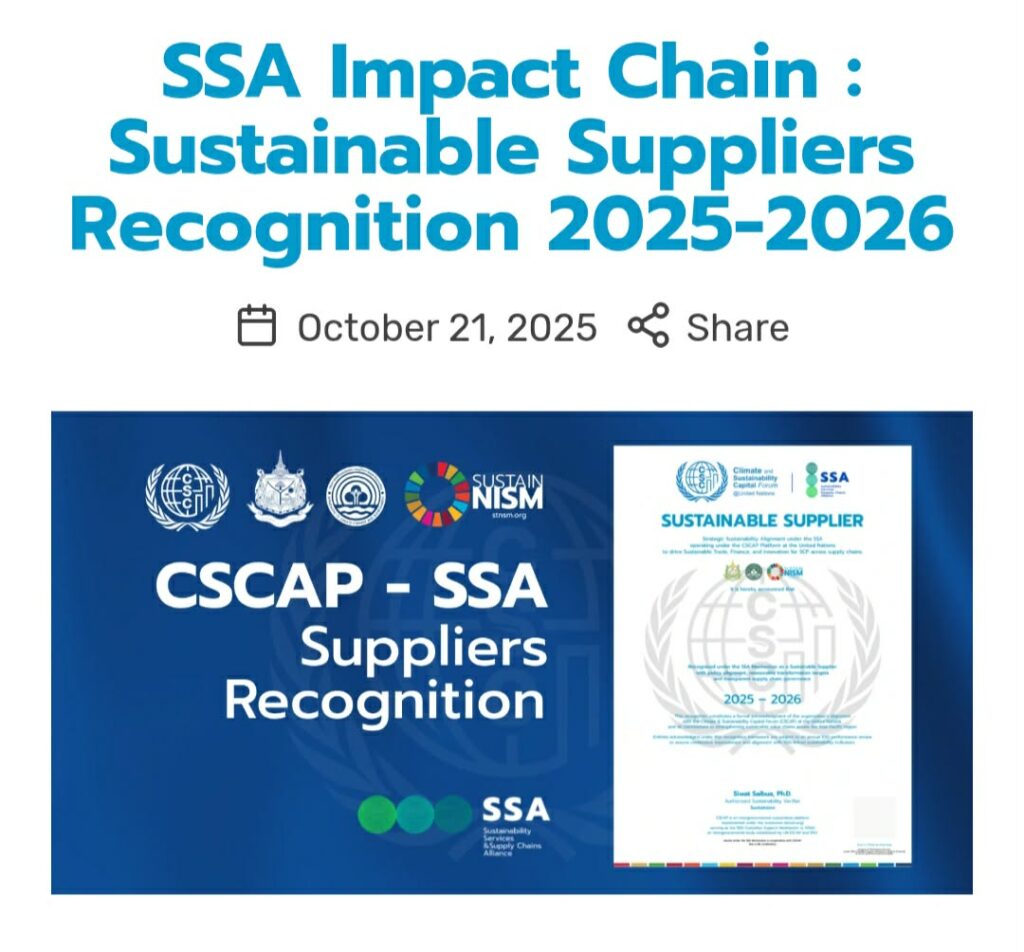
UN Recognizes Corsair Group International — a Milestone for the Global Plastic Solution
The UN has now officially recognized Corsair as a player that can help solve one of the greatest environmental challenges of our time. The recognition is based on verified results, transparency, and a solution that works in practice – not just in theory.
What the UN recognition means:
Corsair’s model has been reviewed and approved according to international requirements for measurable climate benefits and technical transparency.
The UN only highlights actors that can contribute to real global change – Corsair is now considered to be one of them.
Advanced chemical recycling from Corsair delivers proven and scalable results that other actors lack.
The recognition places Corsair in a new category: from innovative solution to strategic partner in the UN’s sustainability goals.
Read more
What has now happened is bigger than a regular news item.
The UN (United Nations) has officially recognized Corsair Group International as one of the actors that can contribute to solving one of the greatest environmental challenges of our time: the plastic crisis. This is not something that is awarded lightly. Being listed on the UN’s own page within Sustainable Supplier Assessment (SSA) – Impact Chain is the result of years of proven technology, transparency, verifiable results, and a documented real impact.
To even qualify, a level of scrutiny is required that few organizations can manage. The UN does not assess visions or future plans – they assess actual results, scalability, environmental impacts, local accountability, and global impact. Corsair has shown that their advanced chemical recycling not only works in theory but delivers measurable solutions for real: plastic is transformed into valuable resources in a closed process that reduces waste, reduces emissions, and creates a circular cycle.
That an initiative within plastic recycling becomes UN-recognized is extremely unusual. It means that the world’s largest and most influential environmental body now considers Corsair as an actor that can contribute to the change on a global level. This places Corsair in a completely new category — not just as an innovator, but as a strategic partner to the UN’s overall goals for sustainable development.
For Corsair, this is proof that their work holds the absolute highest international standard.
For the UN, it means that a scalable solution is finally available to highlight.
For the environment, it is one of the most promising advances in several decades.
This recognition is not only important — it is a historic step for the entire industry, and a clear signal that the world is starting to move towards real, measurable solutions.
Global Expansion Plan 2030
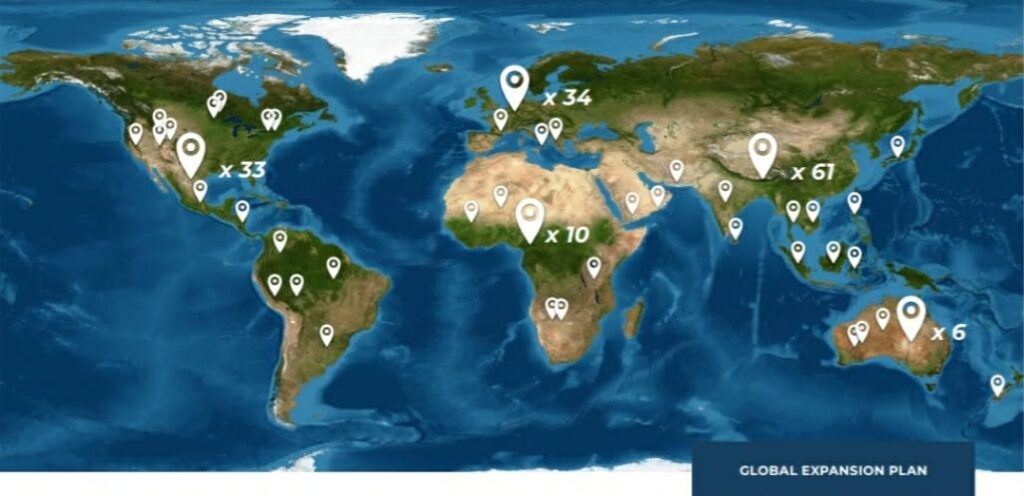
Target Vision 2030
Presence on 6 continents
1.5 billion kilograms of plastic waste collected annually from the environment
Over 1 billion liters of pyrolysis oil produced per year
Over 1 billion euros in annual turnover
Global Expansion Plan 2030
Corsair Group is implementing an ambitious international expansion strategy with the goal of becoming one of the world’s largest producers of ISCC-certified pyrolysis oil made from plastic waste.
The goal is that Corsair by 2030 at the latest will have operations on six continents, with the following key goals:
This global scaling is designed to meet the rapidly growing industrial demand for circular raw materials in the plastic and petrochemical industries, while helping to manage the growing global crisis of plastic pollution.
The locations shown on the map illustrate planned and existing facilities within the framework of Corsair’s expansion strategy. The establishments take place in stages and are adapted to local conditions, partnerships, and infrastructure.
Glossary:
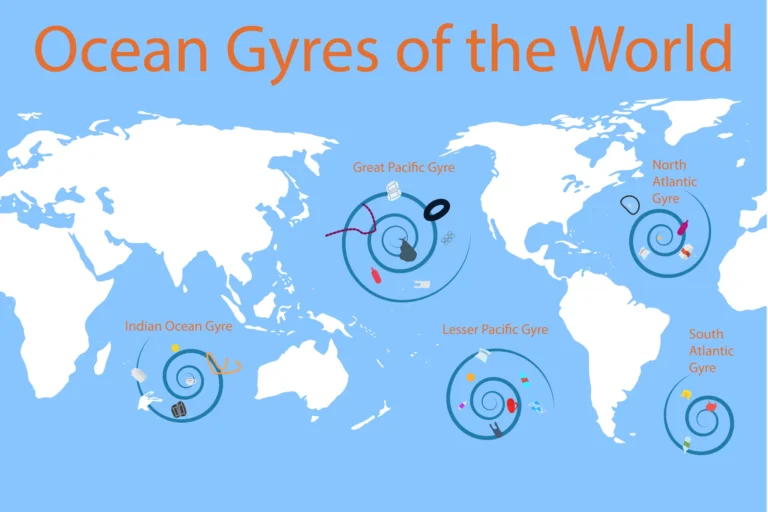
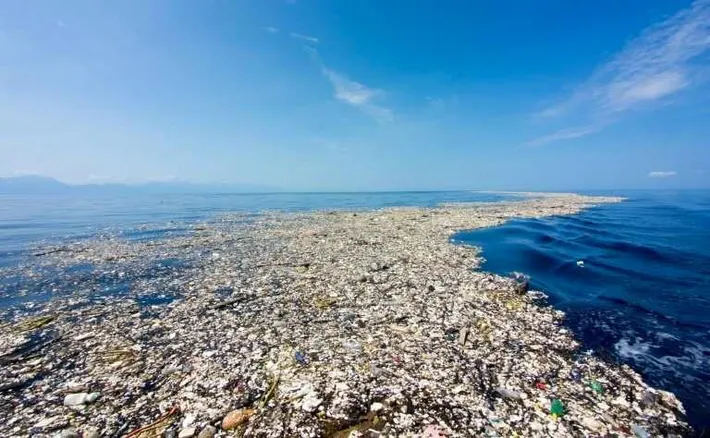
Pacific Garbage Patch
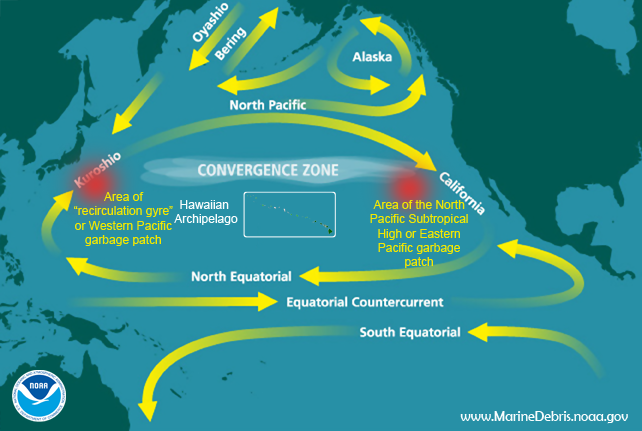
What is the Pacific Garbage Patch?
A massive area in the Pacific Ocean where plastic accumulates through ocean currents.
It is not a solid island, but a large, dispersed area of plastic in various sizes.
In short:
A clear example of what happens when plastic ends up in nature.
Greenwashing
What is greenwashing?
When companies appear environmentally friendly without real, measurable effect behind.
In short:
Green on the surface – empty inside.
Kyoto Protocol
An international climate agreement from 1997 where countries agreed to reduce emissions.
In short:
An early global climate agreement.
CSR (Corporate Social Responsibility)
What does CSR mean?
Companies’ responsibility for the environment, society, and ethics – not just the economy.
In short:
Responsibility beyond profit.
PNP
What does PNP mean?
PNP stands for Plastic Neutrality Package.
A system where plastic is compensated by collecting and managing an equal amount of plastic.
In short:
Plastic impact is balanced.
Pyrolysis
What does pyrolysis mean?
A process where plastic is heated without oxygen and broken down into new resources.
In short:
Plastic is broken down – not burned.
Carbon Credit
What does carbon credit mean?
Proof that emissions have been reduced or removed.
In short:
A way to balance climate impact.
Collection Credit
What does collection credit mean?
Proof that plastic has been collected from nature.
The difference between a collection credit and a recycling credit is that if it is a recycling credit, plastic has both been collected and recycled via, for example, pyrolysis.
In short:
A collection plastic credit is proof that plastic has been removed from nature and placed in, for example, landfills.
Recycling Credit
What does recycling credit mean?
Shows that plastic has been collected and recycled into new raw material.
In short:
Plastic gets a new life.
Verified on the Blockchain
What does verified on the blockchain mean?
Information is recorded openly and cannot be changed afterwards.
In short:
Traceable and transparent.
Pyrolysis Oil
What does pyrolysis oil mean?
The oil created when plastic is broken down through pyrolysis.
In short:
Plastic becomes oil again.
Crude Oil
What does crude oil mean?
Fossil oil used for fuel, plastics and chemicals.
In short:
The foundation of much plastic – but not sustainable.
Landfill (deponi)
What does landfill mean?
Waste that ends up in landfill instead of being recycled.
In short:
Resources that are lost.
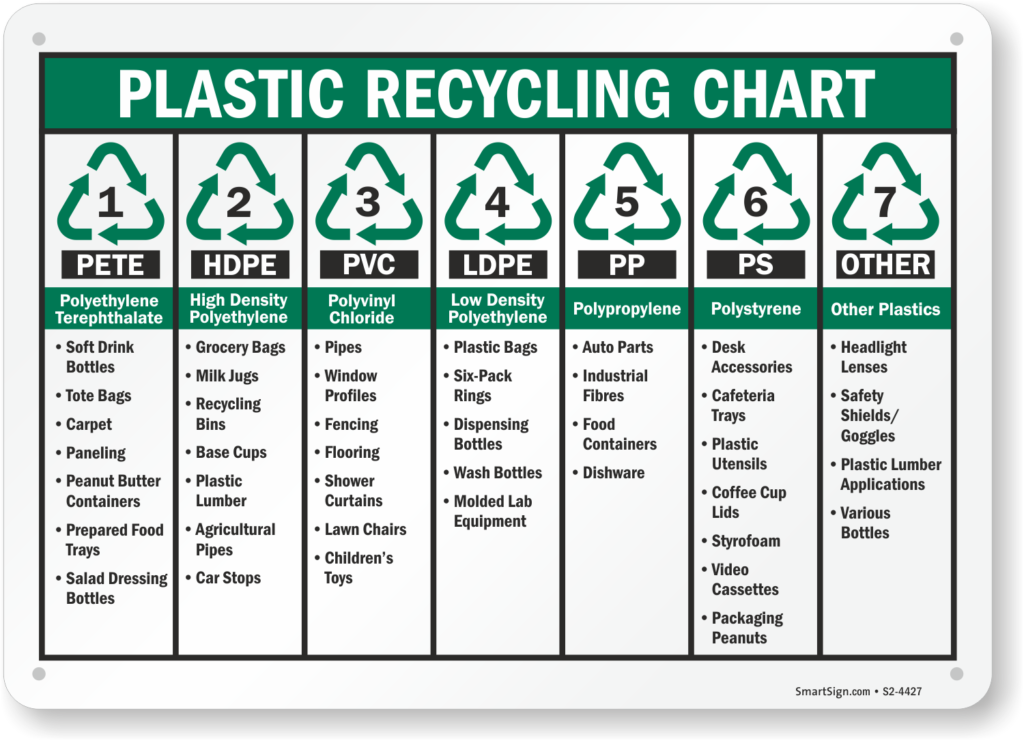
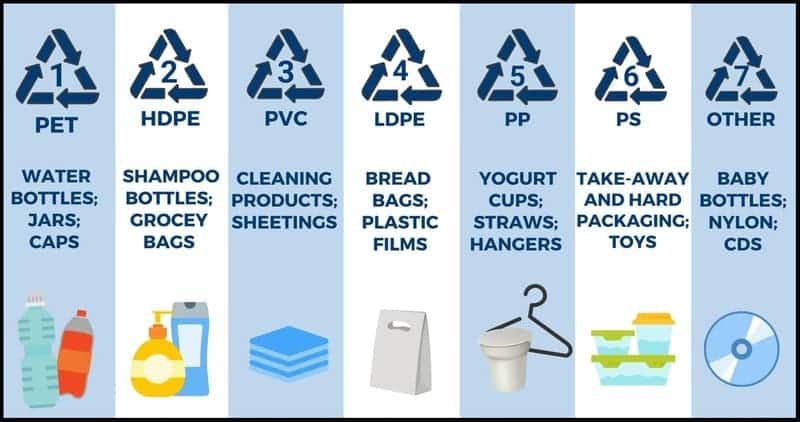
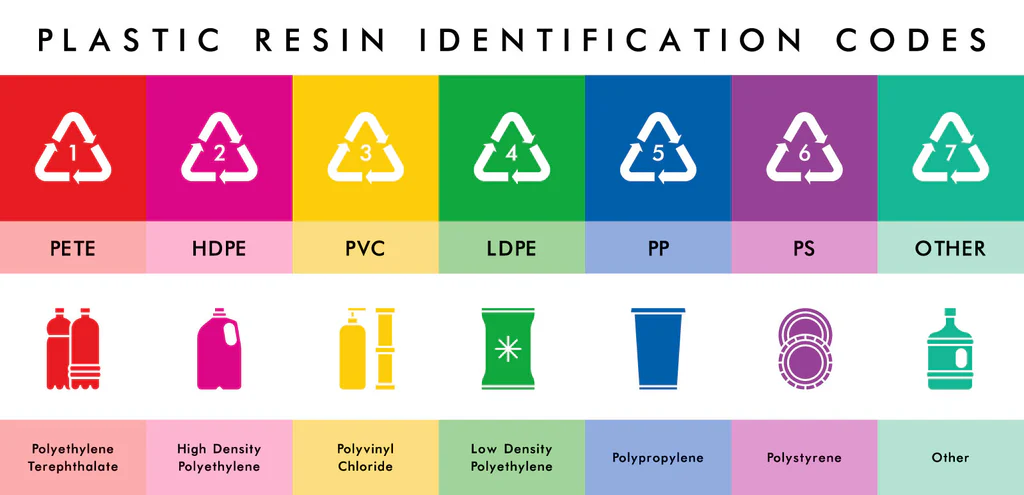
Plastic Designations
What are the different plastic designations?
Different types of plastic with different properties and recycling possibilities.
In short:
Not all plastic is the same.
Corsair can currently recycle all types of plastic except PVC.
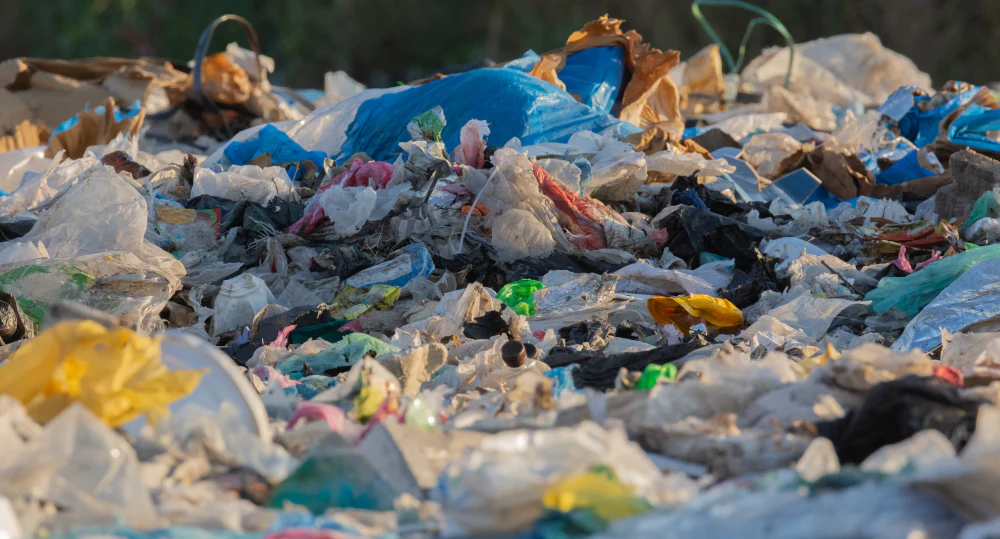
Soft Plastic
What does soft plastic mean?
Thin and flexible plastic that easily spreads in nature.
In short:
Lightweight plastic – big problem.
Hard Plastic
What does hard plastic mean?
Rigid plastic that is often easier to sort and recycle.
In short:
More stable plastic.
Circular Economy
What does circular economy mean?
A system where materials are used over and over again.
In short:
Waste becomes a resource.
Corsair's Different Parts
Corsair Group International
What we call the parent company, where plastic becomes oil.
In short: The engine behind the whole.
Corsair Capital
Responsible for financing and investments in the projects.
In short: Capital that enables the solutions.
Corsair Connect
The platform that connects people and solutions.
In short: The bridge between Corsair and the outside world.
Corsair Foundation
The non-profit part with a focus on society and the environment.
In short: The heart of the work.
ISCC-certified
ISCC stands for International Sustainability & Carbon Certification.
It is an international certification showing that raw materials – for example, oil from recycled plastic – meet high standards for sustainability, traceability, and quality throughout the entire chain.
An ISCC certification ensures, among other things:
that the origin of the material is known and documented
that the process follows strict environmental requirements
that the oil is recognized and accepted globally
In short:
A seal of quality showing that the oil maintains the highest international standards.